
Similarly, chronic drinking reduces the production of cytokines, signaling molecules essential for coordinating immune responses. This dysfunction doesn’t occur overnight but accumulates over months or years of consistent alcohol abuse, making it a silent yet devastating consequence of long-term drinking. Generally, women seem to be more susceptible to autoimmune or inflammatory diseases, although they have a lower risk of infections than men, especially during the pre-menopausal years. This can be attributed to women’s high levels of oestrogens that help to stimulate immunity and fight diseaseReference Wilder37–Reference Liu, Loo, Palaszynski, Ashouri, Lubahn and Voskuhl40.
Wound Healing Impairment: Alcohol slows healing, making infections more likely in wounds or injuries
Immediate treatment of this syndrome can help your body recover, but if it is left untreated in the early stages, there can be a risk of lung infection and blood poisoning. There is also a risk of alcohol poisoning if a person has an immense amount of alcohol that his body cannot tolerate. The symptoms of alcohol poisoning include slow breathing, pale skin, when you use/abuse alcohol your resistance to colds increases seizures, and constant passing out. The immediate changes in our body after the consumption of alcohol are called short-term effects of alcohol.
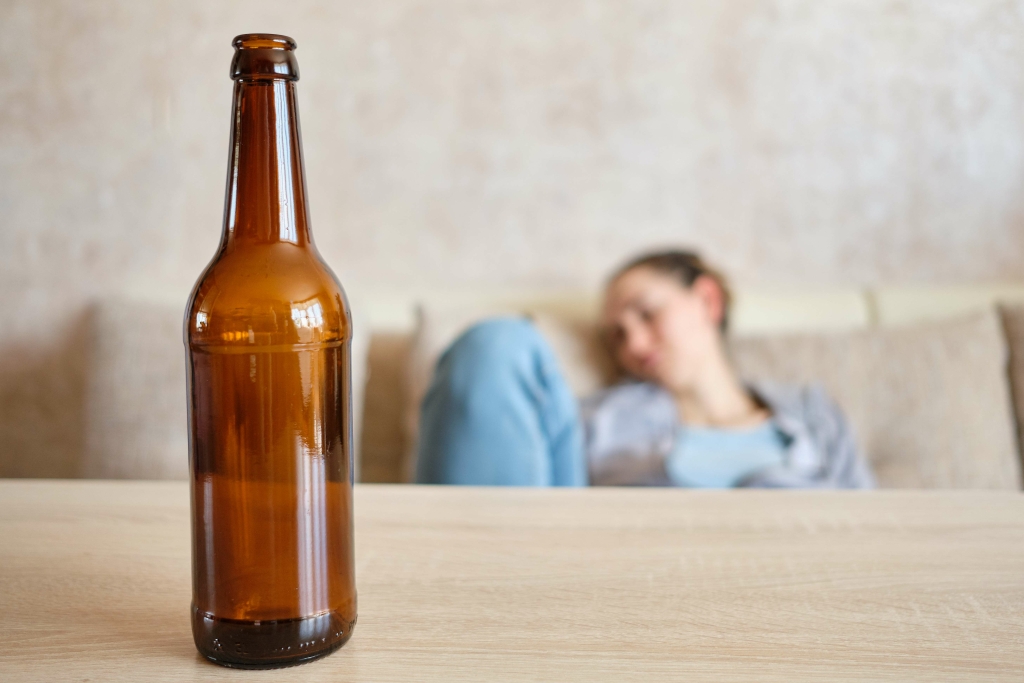
Short-term Effects of Alcohol on the Immune System
- It will take 24 hours of alcohol consumption for the body to start fixing it back.
- The liver plays a vital role in filtering toxins from blood and producing proteins essential for immunity.
- The main ingredient of alcohol is ethanol which works as a poison for the brain, as a result of which there is a high risk of irreversible brain damage.
But even moderate alcohol intake can compromise immune responses, making people more susceptible to infections. As cold and flu season approaches, combined with the ongoing presence of COVID-19, maintaining a healthy immune system is essential. For those who consume alcohol regularly, it’s important to understand how alcohol can weaken immune responses, making you more susceptible to these seasonal illnesses.
Alcohol Withdrawal’s Impact: Does It Weaken Your Immune System?
- A base of cognitive-behavioral therapy (CBT), dialectical behavior therapy (DBT), motivational interviewing (MI), and other therapeutic modalities can all be used to create a personalized healing program.
- It impairs the immune system, compromising defense mechanisms against infections.
- The pancreas is an organ that makes substances that support bodily functions including digestion and metabolism.
- People having PTSD are more inclined towards alcohol consumption because of the restlessness in their life, but this alcohol increases their trauma.
- The timeline for immune system recovery varies depending on the extent of alcohol use, overall health, and lifestyle factors.
- Beyond reducing their numbers, alcohol impairs the function of specific immune cell types.
Tregs, which maintain immune tolerance and prevent excessive activation, are often reduced in number and function after prolonged alcohol consumption. This decline allows autoreactive T cells to become more active, increasing the risk of immune-mediated tissue damage. Conversely, alcohol enhances the activation of effector T cells, such as Th1 and Th17 cells, which are implicated in alcoholism treatment autoimmune diseases.
The gut plays a vital role in our immune health, housing a significant portion of our immune cells. Alcohol can disrupt the delicate balance of the gut microbiome, which is crucial for maintaining a robust immune system. Studies show that even moderate drinking (1-2 drinks per day) can elevate inflammatory markers like C-reactive protein (CRP) in the blood. This chronic, low-grade inflammation is a silent contributor to cardiovascular disease, diabetes, and even certain cancers.
Can you drink alcoholl when you have a cold?

An individual who drinks small amounts of alcohol will have a suppressed immunity for a short amount of time. As a result, a person becomes vulnerable to infections that invade their body. It contains numerous cells and proteins that recognize infections and fight them. There is a clear negative relationship between and alcohol and the immune system.
Concierge Medical Care: A Personalized Approach to Boosting Your Immune System
Please also list any non-financial associations or interests (personal, professional, political, institutional, religious or other) that a reasonable reader would want to know about in relation to the submitted work. Drink responsibly— Using alcohol to cope with negative Covid-19 related feelings could place a person on a path toward developing an alcohol use disorder, Koob cautions. But when you ingest too much alcohol for your liver to process in a timely manner, a buildup of toxic substances begins to take a toll on your https://agarwallaservices.com/can-alcohol-withdrawal-cause-high-blood-pressure/ liver.